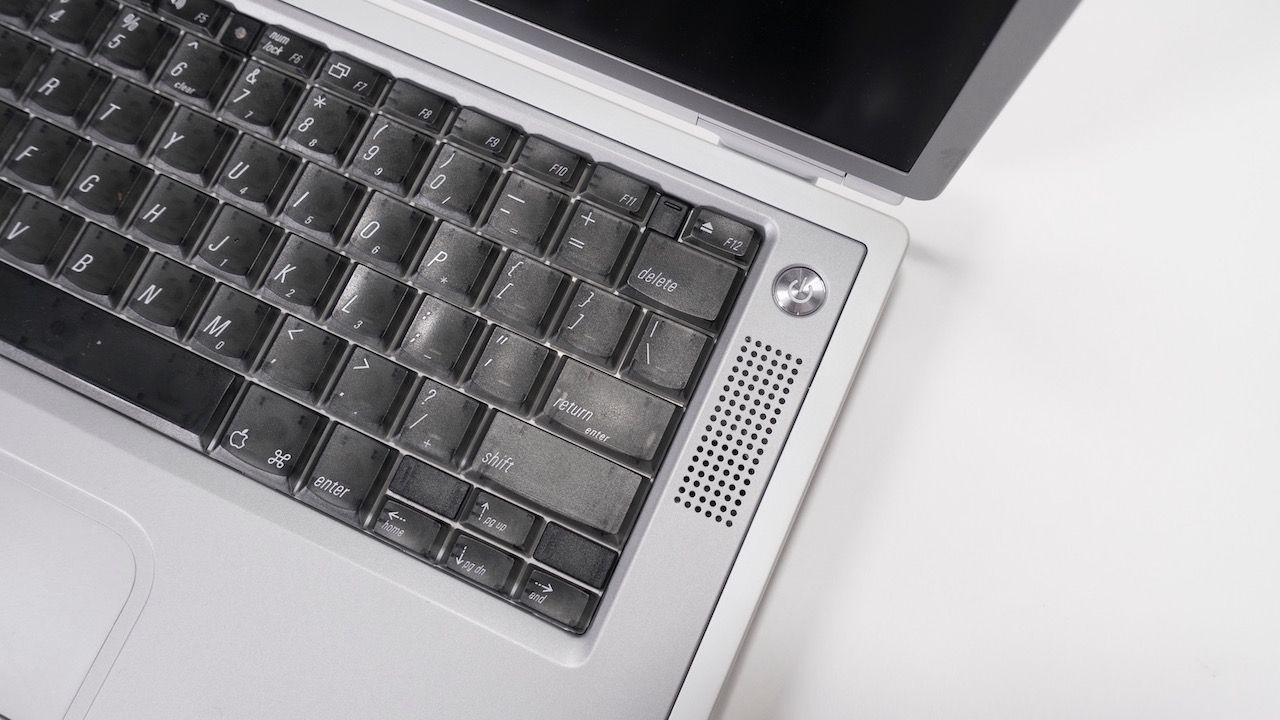
Apple has been exploring titanium for its devices for years. The company first used the metal in the PowerBook G4 way back in 2001 . That laptop was a design icon.
It was thin, light, and strong. But it had problems. The paint peeled. The hinges broke . Apple eventually moved to aluminium.
Now, titanium is making a comeback.
The Patent: What Apple Is Actually Doing?
Apple filed a patent in September 2019. It was granted in January 2021 . The title is "Titanium parts having a blasted surface texture" . The patent describes a way to make titanium look good.
Read Also: Fix MacBook Air Display Problems Fast: Troubleshooting Guide (2026)
Titanium is strong. It is more durable than anodised aluminium . But it is hard to work with. It is difficult to etch . It can look dull or unattractive .
Apple's solution is a multi-step process:
-
Blasting: Sandblasting the titanium to create a fine texture.
-
Etching: Chemically etching the surface.
-
Anodising: Adding a protective oxide layer .
The result is a "distinctive surface finish" . It reflects light in a unique way. It looks premium .
The Devices: MacBook, iPhone, iPad
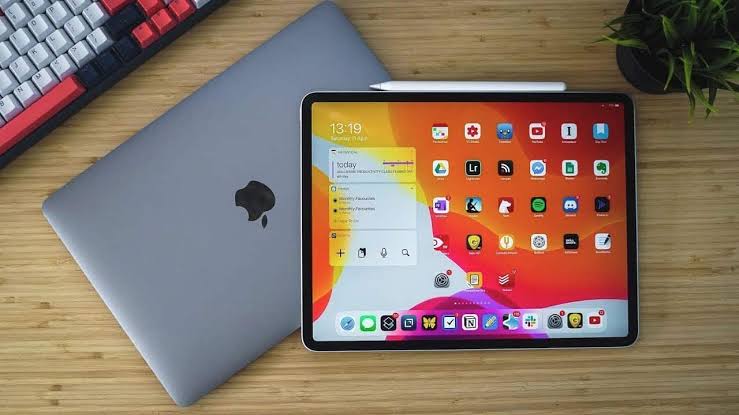
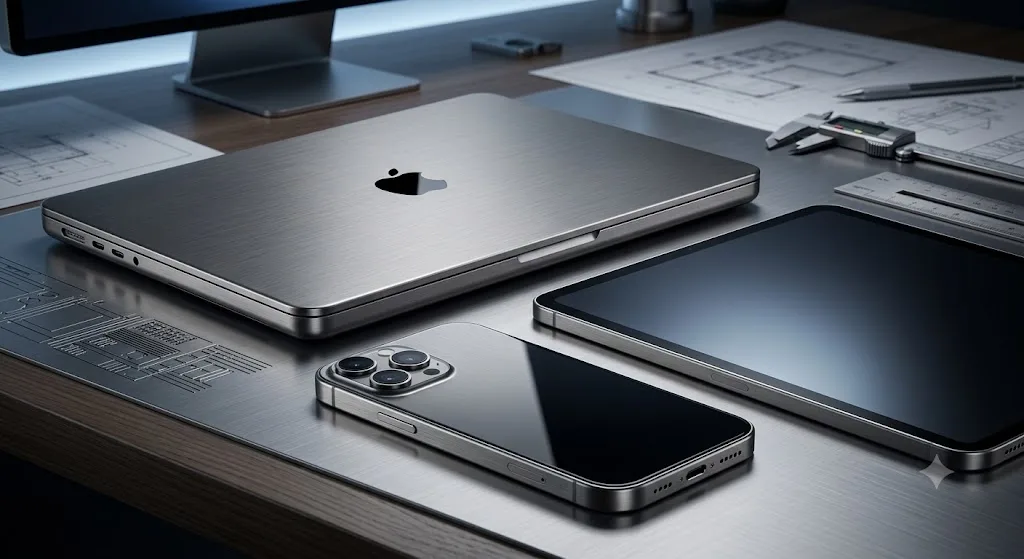
The patent includes images of an Apple Watch, iPhone, iPad, and MacBook . It is clear Apple is considering titanium for its entire product line. The goal is to make devices stronger and potentially lighter .
You Must Also Like: Screenshot MacBook Air Like a Pro with These Shortcuts
Titanium is heavier than aluminium. But it is much stronger. Apple could use thinner components. The final product might actually weigh less than an aluminium device .
The Foldable iPhone Connection
The most exciting rumour involves the foldable iPhone. Apple is expected to release it in late 2026 . The device will reportedly use a titanium alloy for its chassis .
The foldable iPhone hinge will use "liquid metal" . This is an amorphous metal alloy. It is incredibly strong and resistant to deformation . Apple has been working with liquid metal since 2010.
It has only used it for small parts, like SIM ejectors . The foldable iPhone will be its first major application. The combination of titanium and liquid metal is about durability. The foldable iPhone must withstand tens of thousands of folds. The materials need to be strong and fatigue-resistant .
The PowerBook G4 Titanium: Price Guide
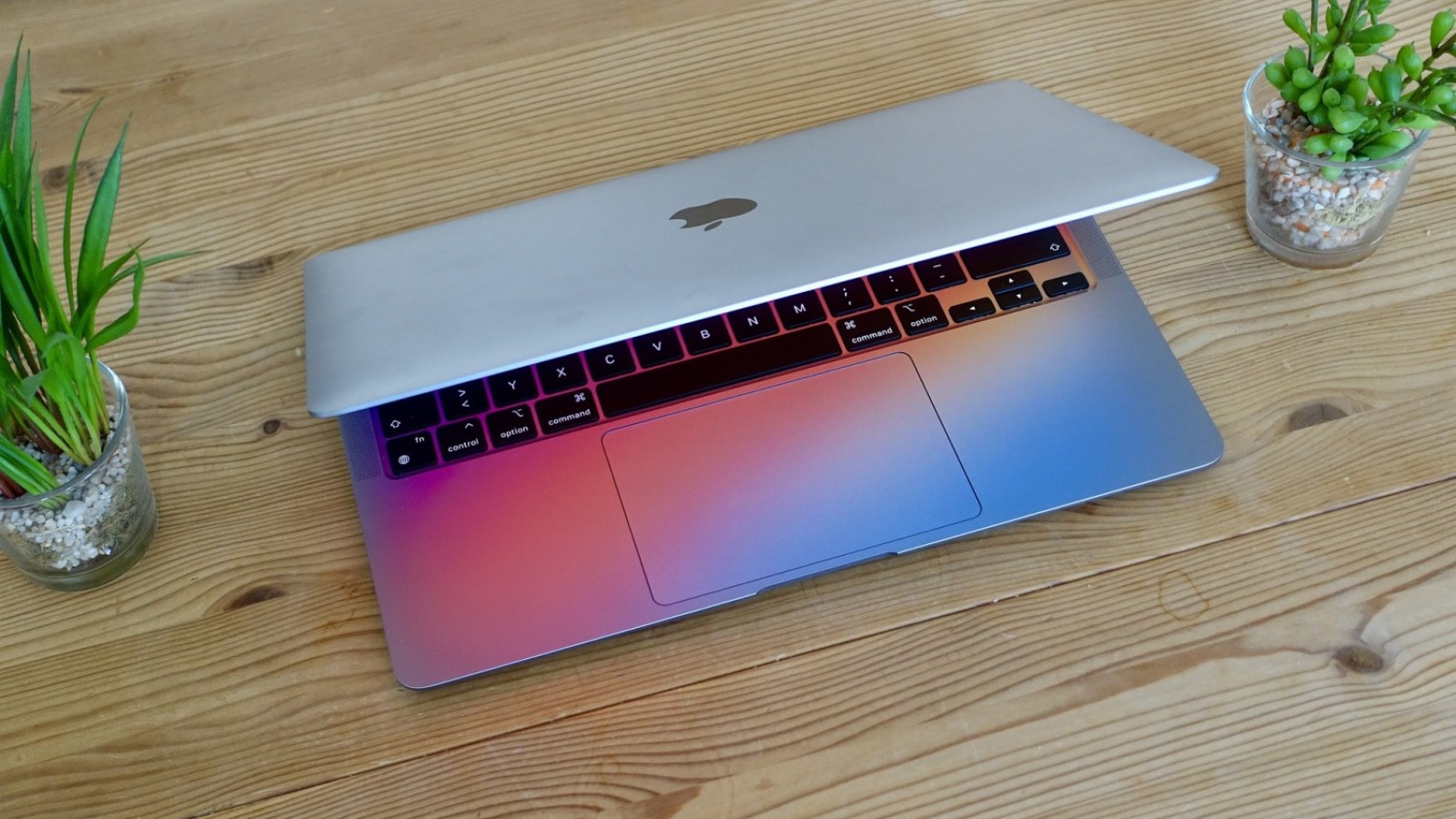
If you want a piece of Apple history, the PowerBook G4 Titanium is still available on the second-hand market. But be careful. These machines are old. Many have issues.
Prices vary wildly based on condition. Here is a rough guide based on recent sales:
| Condition | Estimated Price (USD) |
|---|---|
| Mint / Boxed | $104 - $250 |
| Good / Working | $100 - $157 |
| Untested / Parts | $11 - $75 |
A fully working unit with the original box can fetch over $200 . A machine sold "as-is" for parts might go for as little as $11 .
The PowerBook G4 Titanium is a collector's item. It is not a practical daily driver. The battery is likely dead. The hinges may be weak. The paint could be peeling . Buy it for nostalgia, not for work.
What It Means for You?
Apple is clearly investing in titanium. The material offers real benefits. It is stronger and more durable than aluminium. It can also look stunning.
-
MacBooks: A titanium MacBook could be the most durable laptop Apple has ever made.
-
iPhones: Titanium iPhones could be lighter and more resistant to bending.
-
Foldable iPhone: Titanium and liquid metal could solve the durability issues of foldable phones.
The foldable iPhone is expected in late 2026 . Expect a premium price. It will likely cost over $2,000 . The titanium MacBook, iPhone, and iPad are speculative. They may never materialise. But the patent is a strong indication of Apple's direction.