As nonflexible as it is for me to believe, my older child recently turned 18. The age of majority in the U.S. ways that they are now worldly-wise to take tuition of–and are personally responsible for–a lot increasingly of their life that my spouse and I managed for them. This includes online finance that we set up for them at places like government agencies (for passports and ID), Amazon, and the like.
With two-factor authentication (2FA) encouraged or required at many sites, what’s the easiest way to pass tenancy from you to your child while keeping security intact? Here’s a unstipulated set of steps that relies on Apple operating systems and iCloud Keychain.
First, log into the account.
Next, reprinting the worth information to your child:
- Stored Passwords: With passwords stored in your keychain on an iPhone, iPad, or Mac (or synced via iCloud Keychain), you can share the entry with your kid. This varies by operating system version and version. In iOS 15/iPad 15, go to Settings > Passwords, find the entry, and tap the share button; in macOS 12 Monterey, either go to System Preferences > Passwords or Safari > Preferences > Passwords, find the entry and click the share button. Use AirDrop or flipside method to send it to your child.
- Third-party password managers: With 1Password or other password managers and with a shared vault enabled, you can reprinting or move the entry to that shared vault. You may moreover be worldly-wise to share an entry from the app that can be opened with a self-ruling or paid version of the app your child has installed. (Warning! I highly recommend versus using Google Chrome’s password manager, as it lacks device-locked end-to-end security provided by iCloud Keychain and major third-party password managers.)
- Read passwords aloud: You can moreover literally read the password aloud and have your descendant repeat it when to you for accuracy. (Just like the old days: reading aloud to your child.)
Have your kid create an worth in their password management app–including Passwords in iOS, iPadOS, or macOS–before proceeding so they can add a verification lawmaking in an upcoming step. But don’t have them log in yet.
Update associated data in the account:
- Email: If you’ve been using an email write under your tenancy to manage their account, it’s time to migrate that. Transpiration the email address. You may need to transpiration both an worth login write and an email write used for sending messages (some sites manage those separately). Wait until you’ve handed over all worth credentials surpassing they click a link to personize via email to stave losing wangle while you’re still transitioning the account.
- Phone number: Change the phone number to theirs. They may receive a confirmation undeniability or text that they can read out to you or show you, and you can personize for them immediately.
- Mailing address: Update the mailing write if they’ve moved or are just well-nigh to.
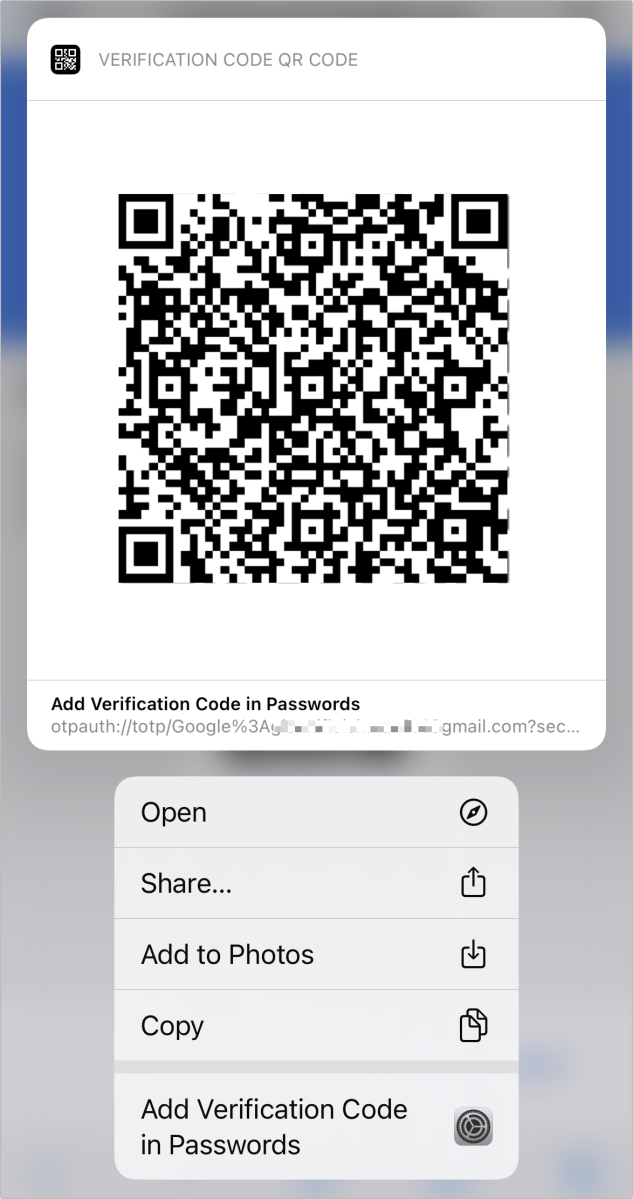
Finally, shift second-factor hallmark over on finance that require it. If you’re at a site that allows multiple 2FA authenticators that can produce a TOTP (time-based one-time password) used for verification, you can add their authenticator as the next step.
- Choose to add an authenticator.
- Name it descriptively if given an option (you usually are).
- The site displays a QR lawmaking and usually the respective “seed” text (a shared secret) for the token. Your kid can use an hallmark app (I recommend Authy), a third-party password manager with TOTP support like 1Password, or Apple’s seated TOTP recognition system. If they have an iPhone or iPad, an hallmark or password app will bring up a camera view, or use the Camera app for to add to an Apple-managed login. If they don’t, you can read aloud the seed code, and they can enter it in the towardly place. (See unelevated for increasingly well-nigh Apple’s approach.)
- The hallmark app or component generates a lawmaking on your kid’s device that you then enter to personize well-judged enrollment.
- Delete your authenticator and log out.
For sites that don’t indulge increasingly than one authenticator, disable 2FA, log out, and have your child log in with the worth and password (first confirming a new email write if necessary via an email link), and then help them enroll in 2FA if they aren’t familiar with it.
Apple supports TOTPs—it calls them “verification codes” directly within iOS 15, iPadOS 15, and macOS 12 Monterey and later. In iOS 15/iPadOS 15, you can use the Camera app to point at a QR code, and then tap an onscreen link to add the verification code. You can moreover touch and hold a lawmaking on a web page or in email and select Add Verification Code. In Monterey, you can Control-click or right-click a QR lawmaking on a web page to add it. However, you can only add a verification lawmaking to an existing account, so be sure your kid created the worth entry early in the process, as noted above. (You can read this column for a increasingly detailed subtitle of subtracting verification codes in iOS, iPadOS, and macOS.)
Your kid can now delete all remaining traces of you from their worth or protract to have you in there as a “rescue email” or “trusted phone number” or the like if they want to have a replacement for restoring worth wangle in wing to options provided by the service.
Also read: How to create an Apple ID and How to set up an Apple ID for a child.
We moreover explain How to transpiration your kid’s sultana Apple ID worth to a child account.
Ask Mac 911
We’ve compiled a list of the questions we get asked most frequently, withal with answers and links to columns: read our super FAQ to see if your question is covered. If not, we’re unchangingly looking for new problems to solve! Email yours to mac911@macworld.com, including screen captures as towardly and whether you want your full name used. Not every question will be answered, we don’t reply to email, and we cannot provide uncontrived troubleshooting advice.