At long last, the iPhone has an always-on display. In true Apple fashion, however, it’s very variegated than what we’ve seen on Android phones—and sectional to the iPhone 14 Pro models, so you’ll need one of Apple’s latest and greatest phones to get it.
But if you’ve preordered an iPhone 14, you’ll notice that the always-on exhibit isn’t a stat reprinting of the Galaxy S22 or Pixel 6. Apple has implemented smart, unique features into its always-on concept. And it just might have some Android phone makers waffly the way they do things.
The Lock Screen picture doesn’t disappear
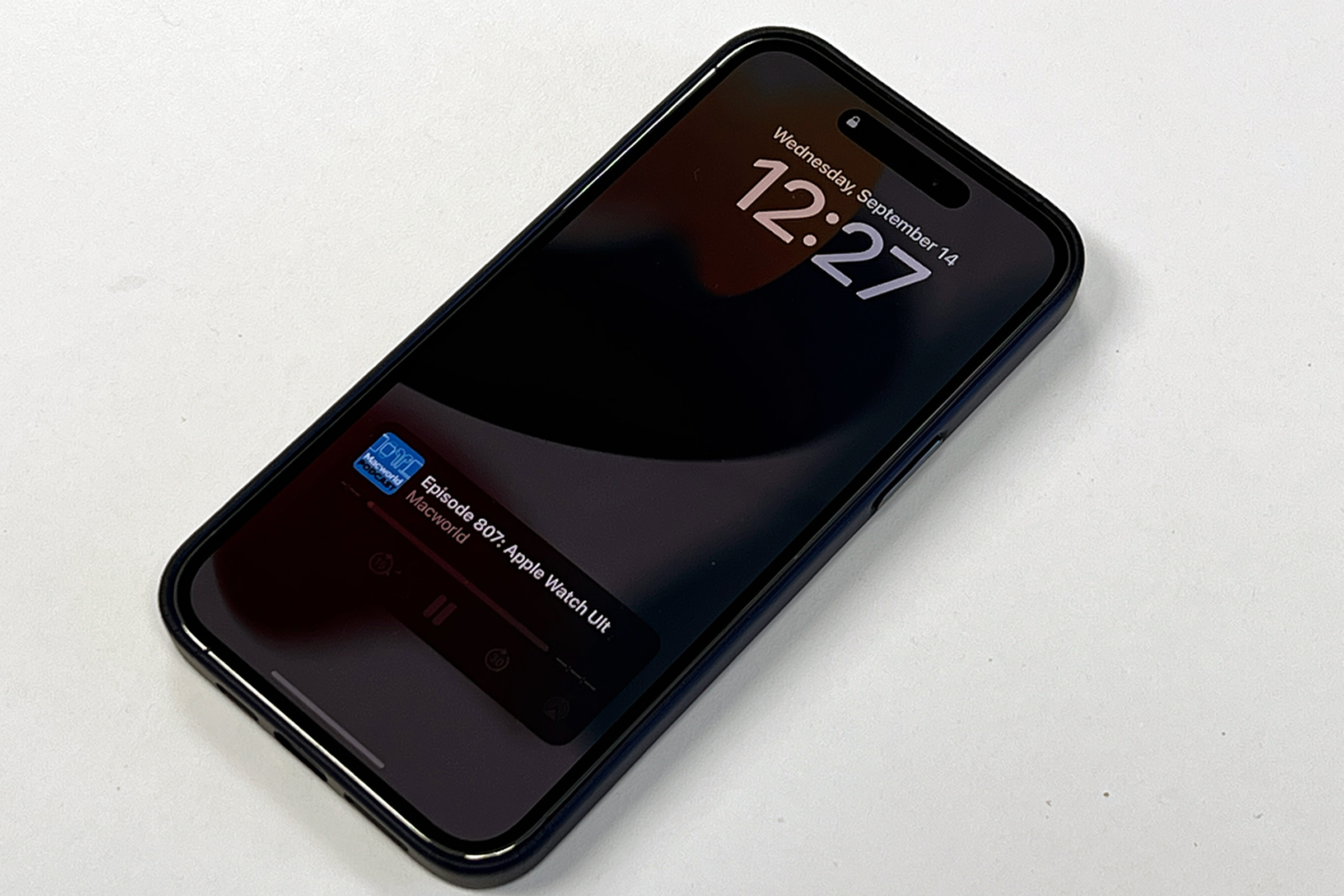
For the past 15 years, our Lock Screens have gotten short shrift. We thoughtfully select just the right photo and see it for approximately one second surpassing our phone unlocks. The iPhone 14 Pro’s always-on exhibit changes that: now our Lock Screen photo is visible plane when our phone goes to sleep. That’s unlike any Android phone—some do offer graphics that can appear, but none let you see a full photo once the screen shuts off.
The widgets and alerts are dynamic
Most Android phones’ always-on displays show a series of widgets that let you know the time, date, and whether an app has sent you a notification. They seem like they would be useful but they’re really not—to get at any very information, you’ll need to unlock your phone or, at the very least, turn on the exhibit and read the notification.
That’s not how it is with the iPhone 14 Pro. The widgets and notification banners stay visible so you’ll see increasingly than just the time and date, while some notifications, such as timers, will protract to update in the background. Like on the Apple Watch, the always-on exhibit is very much an extension of the Lock Screen and not a separate thing, which makes it finger increasingly personal, dynamic, and, well, useful.
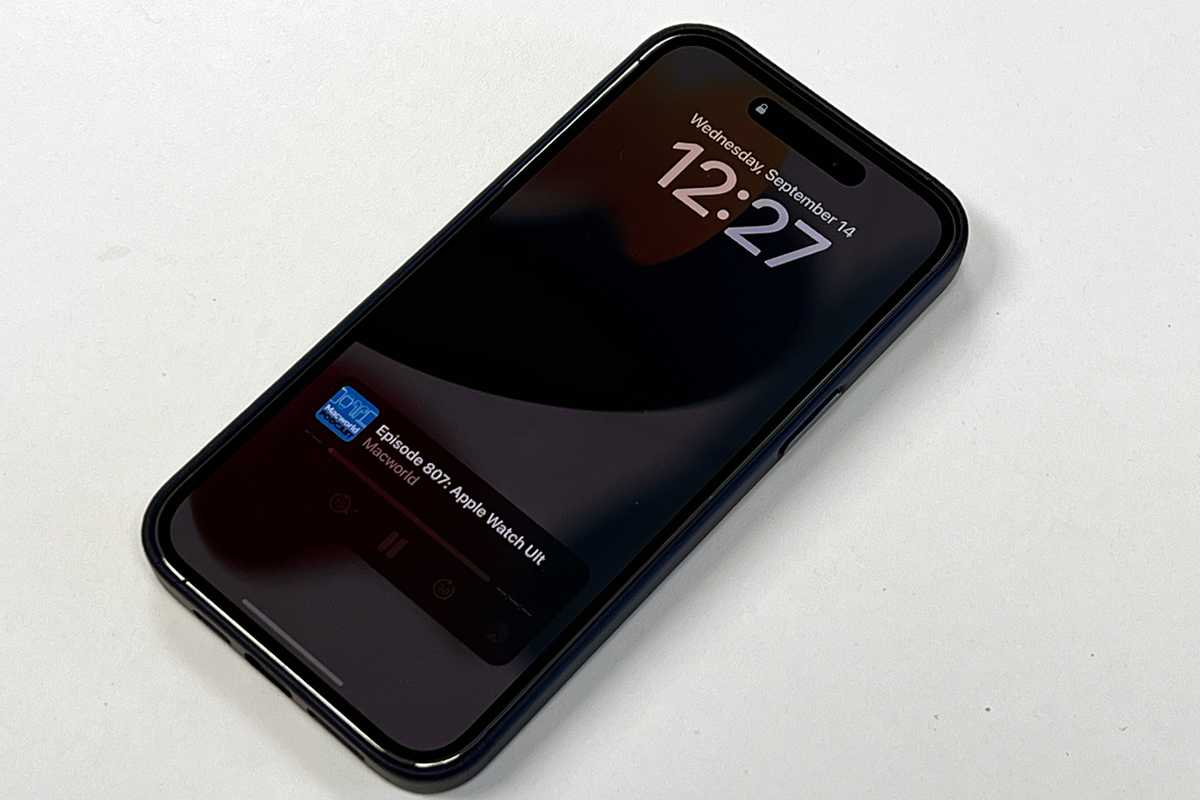
Because the always-on exhibit is just a dimmed version of the Lock Screen, notifications and widgets stay visible.
IDG
It’s as smart as it is stylish
Android’s always-on displays haven’t reverted all that much over the past five years or so. They show the time and stage versus a woebegone background, offer a few customization options, and eat up shower life. Apple’s version won’t.
For one, the iPhone 14 Pro is using the same LTPO exhibit in the Apple Watch that lowers the refresh rate all the way lanugo to 1Hz, so it uses as little power as possible. And that’s not all: The iPhone 14 Pro’s always-on exhibit will moreover save shower life by turning off when the exhibit is squatter lanugo or in your pocket, or when you leave the room while wearing an Apple Watch. I’m willing to bet we’ll see similar functionality in the next Android always-on displays as well.
It works with apps
The always-on exhibit isn’t just for looking at. Several of Apple’s apps still work while the always-on exhibit is active, including the Apple TV remote, Maps, Phone, and Voice Memos. That ways unrepealable apps will exhibit controls instead of the time and widgets, making it plane increasingly useful. It’s a very smart way to use the always-on exhibit as a tool rather than just something to squint at.